Trusted Spider Control Milton Help for Businesses
Trusted Spider Control Milton Help for Businesses
Blog Article
Spiders help reduce other insect populations, but an increase in activity can create a major nuisance indoors and outdoors. Spider webs around doors, egg sacs in storage areas, and repeated sightings often point to conditions that support a serious spider infestation.
Professional Spider Control Milton services target the source of the problem, not only the spiders you see. A trained pest professional can recognize spider species, assess entry points, eliminate webs, and recommend a service plan for your property. Services may include residential pest control, commercial pest control, interior treatment, exterior treatment, and practical spider prevention advice.
A professional spider exterminator can also outline what to expect before, during, and after service. Mosquito Man is one business that provides a factual example of a pest control company name you may encounter when comparing service options. Ask each provider about its process, treatment safety, follow-up inspection, and preparation requirements.
Reasons Professional Spider Control Matters
A few spiders do not always point to a major concern. A recurring sighting does. Spider infestations may appear when insects provide a reliable food source, moisture remains high, or gaps give spiders easy access to the building. Removing visible spiders without tackling these conditions often leads to additional spiders.
Health concerns differ by species and individual sensitivity. Some people experience irritation after contact with spider hairs or bites. A bite can also be difficult to identify without seeing the spider. Black widow spiders require particular caution because their bite can cause significant symptoms. If a bite causes severe pain, muscle cramps, breathing problems, or other urgent symptoms, seek medical care.
Professional pest control protects property protection by reducing webs, egg sacs, and insect activity around the building. Webs can affect the condition of entrances, signs, windows, and light fixtures. In a business, this may create a negative first impression. In a home, webs can collect dust and make rooms feel untidy.
A qualified technician also knows where spiders tend to hide. This makes spider extermination more precise than random spraying. The goal is to reduce spiders, limit access, and manage the insects that attract them.
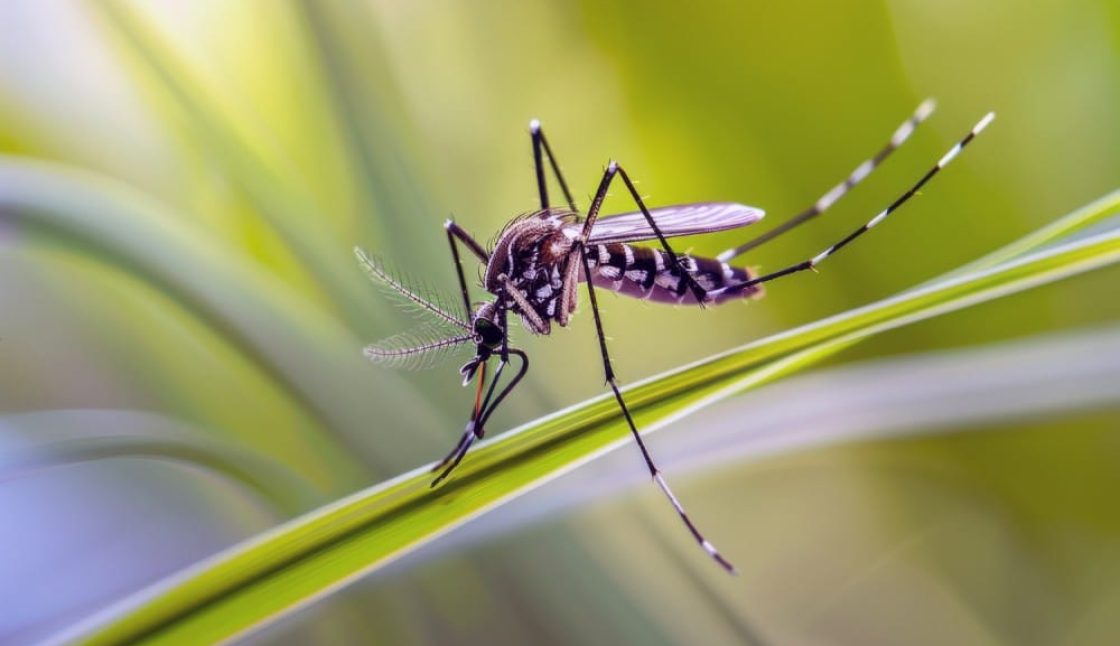
Common Spiders Found in Homes and Businesses
Spider identification matters because physical features, activity, and favoured hiding areas differ among species. Many common spiders are not dangerous, but each type can indicate a different situation on the property.
- House spiders: House spiders often build irregular webs in corners, window areas, basements, and low-traffic storage spaces. They may remain unnoticed until webs begin appearing in several rooms.
- Common wolf spiders: Wolf spiders are active hunters that usually run across floors, foundations, garages, and landscaped areas. They do not rely on extensive webs to catch prey. Their size can make a single sighting concerning, even when only a few are present.
- Common cellar spiders: Cellar spiders have long, delicate legs and often occupy damp, undisturbed spaces. Basements, utility rooms, crawl spaces, and quiet corners can provide suitable harbourage.
- Black widow spiders indoors: Black widow spiders need cautious handling. They favour shaded, protected areas such as cluttered storage zones, exterior structures, and spaces with limited disturbance. Never handle an unknown spider with unprotected hands.
Other common spiders may also get inside through gaps, vents, doors, and windows. A technician can examine physical features and web patterns during a pest inspection. Correct spider identification helps determine whether spider removal, entry-point sealing, targeted treatment, or ongoing service is appropriate.
Signs You May Need Spider Treatment
One spider sighting does not always justify treatment. Several signs together warrant closer attention. Look for the following indicators:
- Spider webs: Fresh webs appearing every few days around windows, eaves, light fixtures, storage rooms, or entry doors may indicate ongoing activity.
- Egg sacs: Small silk sacs may contain many developing spiders. Removing an adult without addressing egg sacs can leave the problem unresolved.
- Spider sightings: Regular sightings in different rooms or at different times may show that spiders have created several hiding places.
- Insect activity: Flies, moths, ants, and other insects serve as food. A rise in insect activity can attract more spiders.
Track where sightings occur. Spiders near a door may be entering through a gap. Spiders in a basement may relate to moisture, clutter, or insects. A cluster of webs outside may indicate that lighting attracts flying insects after dark.

How Expert Spider Control Works
A professional pest control service normally begins with a property inspection. The technician assesses indoor and outdoor conditions, identifies entry points, and checks areas where spiders and insects gather. The findings shape the targeted treatment rather than using the same approach everywhere.
Service may include web removal, egg sac removal, crack and crevice treatment, and a perimeter treatment around the exterior. The technician may also propose changes such as sealing gaps, reducing clutter, improving ventilation, or adjusting exterior lights.
Follow-up service depends on the level of activity and the building. Some properties need one visit. Others respond well to recurring pest control, especially where moisture, landscaping, storage, or business traffic creates repeated access. A follow-up inspection can show whether activity has declined and whether new entry points need attention.
Identifying Spiders During an Inspection
A thorough pest inspection covers more than the room where you saw a spider. The technician may inspect basements, garages, attics, window frames, foundations, door thresholds, utility penetrations, storage areas, and exterior walls.
Spider identification helps tell apart common nuisance species from spiders that require extra caution. The technician may examine the spider itself, its web, egg sacs, location, and surrounding insect activity. This creates an infestation assessment based on observed facts instead of a single sighting.
Harbourage areas often include stacked materials, undisturbed boxes, dense vegetation near walls, cracks, and damp corners. Removing or reorganising these areas can make treatment more effective. If you can safely do so, keep a clear photo of an unknown spider for the technician. Do not attempt to catch it.
Spider Web and Egg Sac Removal
Web removal freshens the appearance of a property and removes the structure spiders use to capture prey. Technicians may remove webs from eaves, soffits, signs, window frames, corners, ceilings, and exterior fixtures. The go to these guys exact method depends on the surface and height.
Egg sac removal is also necessary. Egg sacs can be left in covered locations after adult spiders move away. A technician can spot likely sacs and remove them as part of the service. This is safer and more consistent than reaching into dark spider hiding places.
Exterior cleaning may include brushing away webs from doors, light fixtures, railings, and building edges. Keep in mind that web removal alone does not prevent spiders from returning. It works best alongside treatment, insect reduction, and repairs to entry points.
Interior and Exterior Spider Treatments
Interior treatment focuses on cracks, gaps, corners, storage areas, and other locations where spiders pass or hide. A technician may apply residual insecticide only where appropriate and according to the product label. You may need to leave treated areas for a specified period and keep children and pets away until the technician confirms re-entry conditions.
Exterior treatment may include a perimeter spray around foundations, doors, windows, and other access routes. A perimeter treatment creates a treated zone where spiders and insects commonly cross. It does not replace physical repairs, and weather or cleaning can weaken its effect.
Crack and crevice treatment targets narrow spaces around frames, pipes, baseboards, and structural joints. This focused method can reduce unnecessary product use. For businesses, the plan may form part of commercial pest management with service records, scheduled visits, and site-specific instructions. Commercial pest control may also include monitoring for insects that attract spiders.
Spider Management for Residential Properties
Home pest control should match how your home uses the property. Basements often have dampness, storage, and limited foot traffic. Garages offer door gaps, clutter, and insects drawn to lights. Attics may contain insulation gaps, vents, and quiet corners. Window frames provide access when screens, seals, or caulking have broken down.
A technician can inspect these areas and show which changes will have the greatest effect. Clear boxes away from walls where possible. Vacuum visible webs and spiders only when it is safe. Repair damaged screens, keep doors closed, and avoid storing firewood or unused materials directly against exterior walls.
Do not apply several household pesticides at once. Combining products can create extra exposure and may not improve results. A well-organized spider treatment gives you clear preparation and re-entry instructions.
Spider Control for Commercial Properties
Spiders can trouble commercial buildings, office spaces, retail properties, storage rooms, entrances, loading areas, and customer-facing areas. Webs around signs, doors, displays, and windows may make the property appear poorly maintained. Employees may also report sightings in break rooms, washrooms, utility areas, or stock rooms.
Commercial service should fit operating hours and access requirements. A technician may schedule exterior work before opening, inspect high-traffic areas separately, and document treatment locations. Food handling, childcare, healthcare, and other sensitive operations may require additional preparation and communication.
A commercial pest control plan can combine monitoring, web removal, insect reduction, exclusion work, and scheduled treatments. Ask how the provider safeguards employees, customers, stock, equipment, and sensitive areas during service. A written treatment plan makes responsibilities easier to follow.
How You Can Prevent Spiders from Coming Back
Spider prevention starts with cutting down access and food sources. Inspect the property at least seasonally and after significant maintenance work. Small changes can make a clear difference when completed together.
- Closing gaps: Close cracks around windows, doors, foundations, pipes, vents, and utility lines. Change worn caulking and fix damaged screens.
- Bottom door seals: Fit or change door sweeps when daylight or air is visible beneath an exterior door. Check side gaps around the frame as well.
- Outside lights: Use lighting that attracts fewer flying insects where practical. Clean fixtures clean and avoid placing bright lights directly beside doors.
- Moisture control: Address leaks, improve drainage, use ventilation, and keep damp storage areas dry. Moisture reduction can also decrease insect activity.
Cut back vegetation away from walls, remove unused materials, and keep exterior areas tidy. Inside, reduce clutter in basements, attics, and garages. Clean corners and window frames regularly, but avoid reaching into areas you cannot see clearly.
Are Spider Treatments Suitable for Families and Pets?
Treatment safety varies with the product, application method, property conditions, and whether instructions are followed. A careful provider uses integrated pest management, which combines inspection, prevention, physical removal, monitoring, and targeted treatment.
Advise the technician about children, pets, allergies, aquariums, mobility needs, and sensitive rooms before service. Confirm which areas must be vacated, how long to wait before re-entry, and whether food, toys, bedding, or pet items need covering or removal.
A licensed pest technician should outline the safe application process in plain language. Never allow children or pets to touch wet product, equipment, removed spiders, or treated debris. Place pets in a separate area during service and follow all written instructions after the visit.
Selecting a Professional Spider Exterminator
Look for a professional spider exterminator who offers a straightforward inspection process and explains why each treatment is recommended. Ask whether the person performing the work is a qualified pest technician and whether the company carries proper insurance.
A dependable pest control company should describe the treatment plan before starting. The plan may cover spider identification, web removal, egg sac removal, interior and exterior treatment, prevention steps, and follow-up inspection. Avoid providers who promise instant results without asking about the property.
Ask about the service guarantee in specific terms. Find out what follow-up visits include, how long the guarantee lasts, and whether certain conditions exclude coverage. A guarantee should not replace proper preparation or repairs, but it can clarify what happens if activity continues.
Choose a provider that answers questions about treatment safety, product use, preparation, and re-entry. Written instructions are helpful for homeowners, property managers, and business staff.
Spider Control Milton: Service Cost and Scheduling
Pest control pricing varies because each property presents a distinct level of work. Common factors include property size, the number of affected areas, spider species, web and egg sac removal, access conditions, treatment type, and the amount of follow-up required.
A small interior service may cost less than a property requiring major exterior work, high-reach web removal, repairs, or recurring pest control. Commercial buildings may also need scheduled documentation, multiple treatment zones, and visits outside standard operating hours.
Treatment frequency depends on activity and risk. A one-time visit may fit a limited problem after an inspection. Monthly, seasonal, or other scheduled service may make sense for buildings with repeated insect activity, open storage, moisture, or frequent entry traffic.
Urgent service may be available when a potentially dangerous spider is found, activity is widespread, or a business needs quick attention before opening. Ask about response times, after-hours charges, preparation, and what the first visit includes. Clear answers help you compare estimates fairly.
Frequently Asked Questions
What types of spiders are common in Milton homes?
House spiders, wolf spider species, cellar spider species, and black widow spiders may be found inside and around homes. The first three are species that commonly cause concern, while black widow spiders require greater care. A trained pest inspection can verify which spiders are present and assess where the spiders are entering or hiding.
How can I prevent spiders from entering my home?
Focus on sealing gaps around doors, windows, foundations, vents, and pipes. Fit door sweeps, repair screens, reduce clutter, manage moisture, and keep vegetation away from walls. Lowering outdoor insect activity can also reduce the food source that draws spiders in.
When is the best time to treat for spiders in Milton?
The best time depends on the property and the pattern of activity. Treatment can be useful whenever you see repeated spider sightings, spider webs, or egg sacs. Treatment ahead of busier spider periods may help, while an active infestation should not wait for a particular time of year.
Are spider control treatments safe for children and pets?
They can be safe when a trained technician selects and applies products correctly and you follow all re-entry instructions. Tell the provider about children, pets, aquariums, and sensitive areas. Keep people and animals away from treated spaces until the technician confirms that re-entry is allowed.
How much does professional spider control cost in Milton?
Spider control costs depend on property size, activity level, species, treatment areas, web and egg sac removal, access, and follow-up needs. Request a written estimate that explains the work included. A low price may not include exterior treatment, prevention advice, or a follow-up visit.
How often should spider treatments be scheduled?
A limited problem may need one treatment followed by monitoring. Properties with repeated spider or insect activity may benefit from seasonal or recurring pest control. The right schedule should follow the inspection findings, building conditions, and results after the first service.
Do spider control services remove webs and egg sacs?
Yes. Many services include web removal and egg sac removal from reachable indoor and outdoor areas. Removing these materials can improve the property and reduce immediate activity, but lasting control also requires attention to entry points, hiding places, moisture, and insects.
How quickly can a Milton pest control company provide service?
Response times can change by provider, workload, property type, and whether you need urgent service. Ask when the inspection can take place, what the first visit includes, and whether same-day or after-hours appointments involve an extra charge. Give the company detailed details about the sightings and any safety concerns.
Report this page